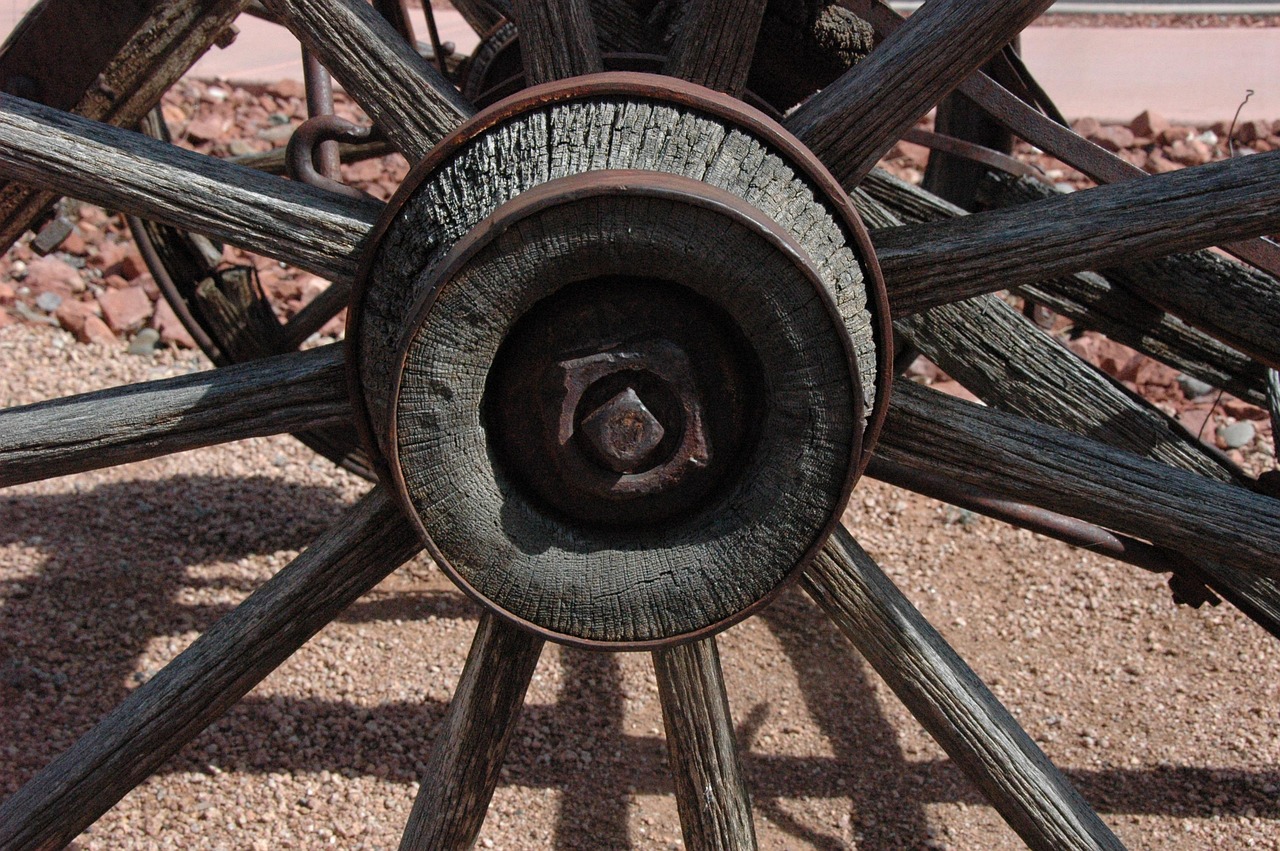
Wagon-Wheel: Revolutionizing Transport and Logistics
Wagon-wheel is an innovative, modular transportation system designed to streamline logistics and enhance cargo movement. It offers a flexible, efficient solution for various industries, from agriculture to e-commerce, by providing a simple yet powerful alternative to traditional freight methods. With its unique design and numerous benefits, wagon-wheel is transforming the way we move goods.
What is Wagon-Wheel?
A wagon-wheel is a portable, circular platform equipped with robust wheels that can carry significant loads. It is designed to be easily assembled and disassembled, allowing for quick deployment and customization to suit different cargo requirements. This versatility makes it an ideal solution for temporary or on-demand freight needs.
Why Choose Wagon-Wheel?
- Cost-Effective: Significantly reduces transportation costs compared to traditional methods, especially for heavy or bulky items.
- Flexibility: Customizable sizes and configurations cater to diverse cargo needs, from small packages to large machinery.
- Efficiency: Streamlines logistics operations, minimizing handling and maximizing load capacity.
- Sustainability: Reduces carbon footprint by optimizing transport routes and lowering fuel consumption.
- Safety: Enhanced stability and secure loading ensure the safe transportation of goods.
How Does Wagon-Wheel Work?
- Design: The core is a sturdy frame with an adjustable platform size, supported by multiple wheels.
- Assembly: It can be quickly assembled by a small team using simple tools, making it easily deployable at various locations.
- Loading: Goods are loaded onto the platform, secured for transport, and then pulled or pushed as needed.
- Transportation: Wagon-wheels can navigate tight spaces, curbs, and uneven terrain, providing versatile mobility.
- Unloading: At the destination, it's easily disassembled and the cargo unloaded efficiently.
Pricing and Packages
Wagon-wheel offers flexible leasing and purchase options tailored to business needs:
- Leasing: Starting from $50/month per wheel, with discounts for long-term commitments.
- Purchase: Prices range from $2000 - $5000, depending on size and configuration. Customization adds to the cost.
- Custom Solutions: For unique requirements, our team designs tailored packages, providing quotes based on specific needs.
Benefits Across Industries
Agriculture
Farmers use wagon-wheels for efficient transport of crops, equipment, and livestock, reducing labor costs and improving time management. Case study: A mid-sized farm reported a 30% increase in harvest delivery efficiency after adopting wagon-wheel systems.
E-commerce & Logistics
In the fast-paced world of online retail, wagon-wheels excel at local last-mile deliveries, especially in urban areas. They can navigate through congested streets and narrow alleys, reducing delivery times and enhancing customer satisfaction.
Construction & Heavy Industry
Wagon-wheels are ideal for transporting heavy machinery, construction materials, and large components, ensuring safe and swift movement on job sites. Statistical data shows that using wagon-wheel reduced fuel costs by 25% for a major construction company.
Comparing Wagon-Wheel with Traditional Methods
| Wagon-Wheel | Trucks/Trailers | |
|---|---|---|
| Portability | Highly portable, easy to assemble and disassemble | Less portable, require specialized equipment for loading/unloading |
| Cost | Lower initial investment and running costs | Higher setup and operational costs |
| Versatility | Adaptable to various load sizes and terrains | Limited adaptability, designed for specific cargoes |
| Environmental Impact | Reduces carbon footprint with efficient routes | Often contribute to higher emissions due to inefficient loading/unloading |
| Time Efficiency | Faster loading/unloading times | Time-consuming processes, especially at remote locations |
Real-World Use Cases
- Urban Delivery Services: A leading food delivery app partnered with wagon-wheel providers to reduce last-mile delivery times in dense city centers, resulting in a 15% increase in customer orders.
- Event Management: At large music festivals, wagon-wheels were used for efficient stage setup and equipment transport, ensuring smooth operations despite challenging terrain.
- Retail Logistics: A major retail chain utilized wagon-wheels for local distribution centers, achieving a 20% reduction in freight costs within the first quarter.
- Agricultural Supply: Farmers' cooperatives coordinated wagon-wheel networks to distribute seeds, fertilizers, and equipment across rural areas, improving accessibility and timeliness.
Implementation Guide: Choosing the Right Wagon-Wheel
- Assess Your Needs: Consider cargo type, weight, frequency of transport, and handling requirements.
- Size and Configuration: Select wheel diameter, platform dimensions, and number based on your load capacity needs.
- Terrain Considerations: Choose between all-terrain wheels for rough surfaces or standard wheels for smoother routes.
- Accessories: Explore optional add-ons like tarps, side panels, or locking mechanisms to enhance protection and security.
- Maintenance: Regular maintenance ensures optimal performance. Learn about wheel care, lubrication, and basic troubleshooting.
FAQs
-
Q: Can wagon-wheels handle heavy loads? A: Absolutely! Wagon-wheels are designed to support substantial weights, with some models capable of carrying over 2000 kg. The customizable platform size ensures it accommodates various load shapes and sizes.
-
Q: How do I ensure cargo security during transport? A: Security is a priority. Our wheels feature robust locking mechanisms, and we offer optional side panels and tarps to protect cargo from weather and theft. Regular training for handlers on secure loading practices is also crucial.
-
Q: Are wagon-wheels suitable for outdoor use only? A: While they excel in outdoor settings, modern wagon-wheel designs are built to withstand indoor conditions too, making them versatile for various environments.
-
Q: How quickly can I assemble and disassemble a wagon-wheel? A: Assembly typically takes 15-30 minutes with minimal tools. Disassembly is just as swift, allowing for efficient storage or transportation of the wheel when not in use.
-
Q: Can wagon-wheels navigate narrow passages? A: Yes, wagon-wheels' compact design and maneuverable wheels make them ideal for navigating tight spaces, alleys, and narrow roads that larger vehicles might struggle with.
-
Q: What is the estimated lifespan of a wagon-wheel? A: With proper care and maintenance, a wagon-wheel can last 5-7 years. Regular lubrication, wheel balancing, and checks for signs of wear are essential to prolong its lifespan.
-
Q: How do I clean and maintain my wagon-wheels? A: Cleaning involves hosing off dirt and debris. For stubborn stains, use mild soap and a soft brush. Lubricate wheels regularly, especially after prolonged use or in harsh conditions, to prevent rust and ensure smooth rolling.
-
Q: Can wagon-wheels replace traditional freight methods entirely? A: While they excel in many areas, wagon-wheels might not replace all traditional methods, especially for specialized cargoes or long-distance hauls. However, they can significantly reduce costs and enhance efficiency for local and regional transport.
-
Q: Are there any safety standards for wagon-wheel usage? A: Yes, we adhere to strict industry standards for design and manufacturing. Our wheels meet or exceed safety regulations for load capacity, braking systems, and wheel strength. Regular safety inspections are recommended for all equipment.
-
Q: Can I customize wagon-wheels to my brand's colors or logo? A: Absolutely! We offer custom branding options, allowing you to display your company identity on the wheels. This is particularly useful for promotional campaigns and event sponsorship.
Category: wagon-wheel


