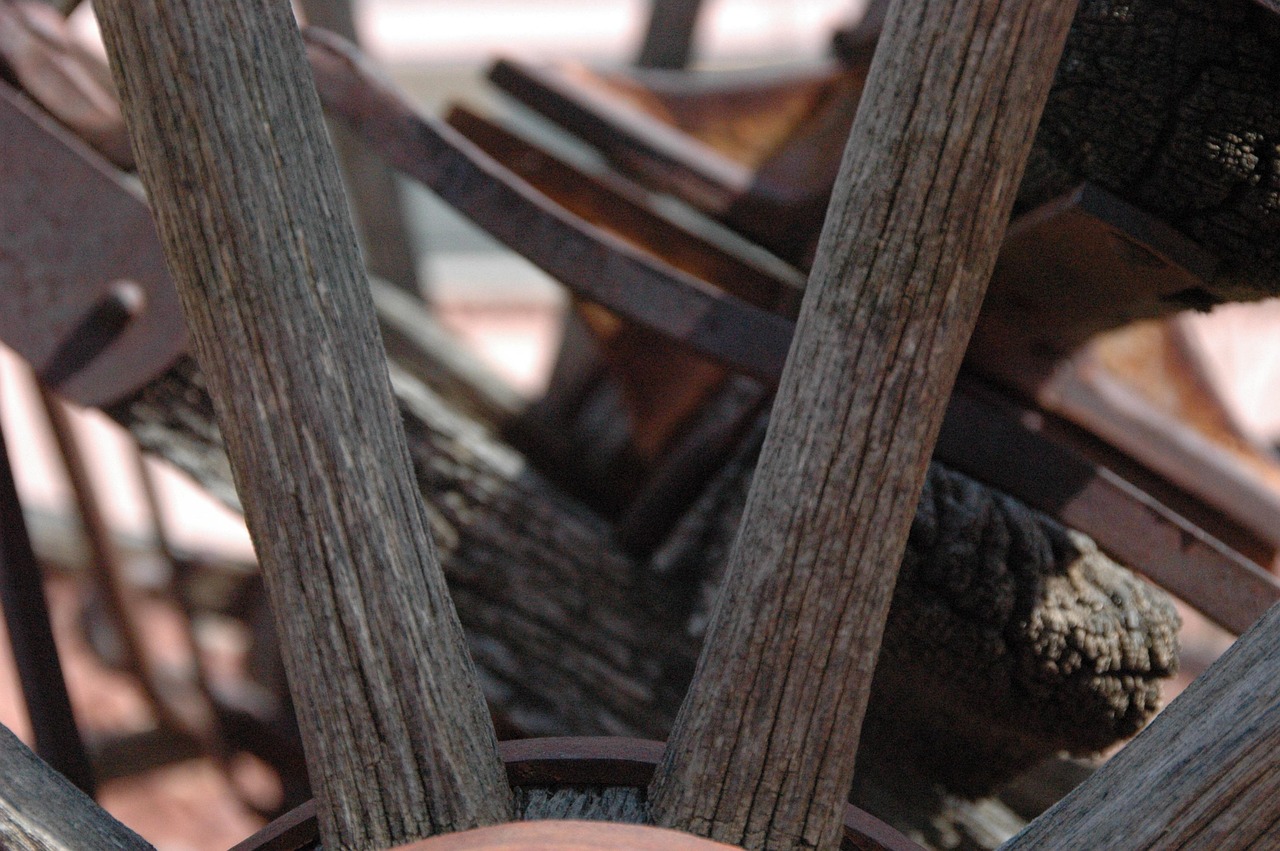
Petroglyphs, ancient rock art etched with intricate designs, hold immense historical value, offering glimpses into the lives and cultures of past civilizations. In Arizona's vast desert landscape, these artistic remnants are particularly abundant, with Wagon Wheel Gap serving as a prime example. However, preserving these delicate artifacts poses challenges due to weathering, vandalism, and lack of proper interpretation. This article delves into the significance of petroglyphs in our understanding of Arizona's indigenous heritage and presents strategies for their conservation, ensuring these ancient stories remain accessible for generations to come.
- Discovering Petroglyphs: Arizona's Ancient Artifacts
- Wagon Wheel Trails: Uncovering History in Rock Art
- Preserving Natural Heritage: The Role of Petroglyphs Today
Discovering Petroglyphs: Arizona's Ancient Artifacts
In Arizona, where the desert meets ancient history, petroglyphs like wagon wheel shapes tell tales of past civilizations. Discovering these rock art masterpieces is a journey into the state's rich cultural heritage. Petroglyph National Monument near Tucson stands as a prime example, showcasing over 400 images carved into the volcanic rocks, some dating back over 3,000 years. Among the most captivating are the wagon wheel motifs, symbolizing both mobility and community, reflecting the daily lives and beliefs of early Arizonans.
Exploring petroglyphs offers a unique perspective on Arizona's history, accessible through various hiking trails and interpretative centers. These outdoor galleries provide an up-close encounter with nature's canvas, allowing visitors to connect with ancestral artistic expressions. For instance, the popular West Fork Trail in Sedona reveals intricate petroglyphs etched by Native American tribes, offering insights into their spiritual practices and daily lives. Engagement with these artifacts not only enriches cultural understanding but also fosters appreciation for the enduring artistry of Arizona's ancient peoples.
Wagon wheel Arizona adventures await those eager to delve into this fascinating realm. Whether as a family outing or solo quest, exploring petroglyphs offers an educational experience that bridges the gap between past and present. For a deeper dive, Arizonan.com provides resources on guided tours and cultural events, ensuring visitors can immerse themselves fully in the stories etched into Arizona's ancient artifacts. Remember, these are fragile remnants of history, so responsible viewing and respecting preservation efforts are paramount for future generations to appreciate.
Wagon Wheel Trails: Uncovering History in Rock Art
Wagon wheel petroglyphs in Arizona offer a captivating glimpse into the state's rich history and the ancient artistic expressions of its indigenous peoples. These intricate rock art designs, often depicting wagon wheels, are naturally preserved on the rugged landscapes, serving as a testament to the mobility and cultural significance of early civilizations. By exploring these petroglyphs, visitors can uncover a narrative of migration, trade, and the enduring connection between communities and the land.
The wagon wheel motif is particularly prevalent in Arizona's vibrant rock art collection, with numerous sites across the state showcasing these symbolic representations. These petroglyphs are not merely decorative; they hold cultural value and provide valuable insights into the lives of past communities. For instance, the Havasupai Tribe, who have traditionally inhabited the region, have shared their beliefs that wagon wheel designs symbolize the journey and resilience of their ancestors, representing their movement across the vast Arizona landscape.
Engaging in wagon wheel-themed activities in Arizona offers a meaningful way to connect with history. Visitors can explore petroglyph sites, such as those found in the Sedona area, known for their stunning rock formations and ancient art. Arizonan.com provides comprehensive guides to these hidden gems, ensuring visitors can safely and respectfully appreciate these natural artifacts. Understanding the cultural context and significance of wagon wheel petroglyphs enhances the overall experience, fostering a deeper appreciation for Arizona's rich cultural heritage.
Preserving Natural Heritage: The Role of Petroglyphs Today
Preserving Natural Heritage: The Role of Petroglyphs Today
Petroglyphs, ancient symbols etched into Arizona's landscape, serve as a vital link to our state's rich history and cultural heritage. Among these, the wagon wheel designs found in various corners of Arizona hold special significance, offering glimpses into the lives and movements of past civilizations. These rock art artifacts are not merely decorative; they tell stories of migration, trade, and daily life for early Arizonans. Preserving these natural treasures is crucial to maintaining our cultural narrative and ensuring future generations can appreciate this unique aspect of Arizona's identity.
The preservation of petroglyphs has evolved significantly over time. Today, Arizona's cultural resources departments work tirelessly to protect these sites from damage and deterioration caused by human activity and environmental factors. This involves implementing strict access guidelines, monitoring for unauthorized alterations, and educating the public on responsible viewing practices. For instance, many petroglyph sites in Wagon Wheel National Monument are off-limits to visitors to prevent further scarring of the rock faces. However, nearby areas like certain sections of the Grand Canyon offer opportunities for exploring ancient art while adhering to preservation principles.
One practical step individuals can take is to familiarize themselves with Arizona's cultural heritage and respect the sanctity of petroglyphs. When visiting these sites, it's essential to stay on designated trails, avoid touching or altering the rock art, and dispose of waste properly. Moreover, supporting organizations dedicated to preserving Arizona's natural and cultural heritage, such as Arizonan.com, can make a substantial difference in safeguarding these invaluable artifacts. Engaging in responsible tourism, including participating in guided tours led by experts, ensures that petroglyphs remain intact for all to appreciate and learn from.
Arizona's petroglyphs, particularly wagon wheel designs, offer a captivating window into the state's ancient history. These rock art masterpieces, preserved on rugged landscapes, depict mobility, community, and beliefs of early civilizations. Exploring these sites provides insights into migration, trade, and ancestral artistic expressions. Preserving these natural artifacts involves strict guidelines and responsible viewing practices by visitors. Engaging with guided tours and supporting preservation organizations ensures their longevity for future generations.